
Deep Dive: Production Rollout & Operations cho Agent Loops
Autonomy là một deployment, không phải thuộc tính của model Thesis
Khi loop được phép lặp và tạo side effect không cần người đứng cạnh, tổ chức đang deploy một control system. Risk đến từ tổ hợp trigger, intake, tool permissions, verification, state và stopping—not chỉ từ xác suất model trả lời sai.
Vì vậy rollout phải progressive và reversible. Hệ thống nên quan sát trước, đề xuất sau, hành động qua approval rồi mới nhận bounded autonomy. Mỗi bước tăng đúng một dimension quyền và giữ control group đủ để đo behavioral delta.
Promotion không phải phần thưởng cho benchmark đẹp. Nó là decision dựa trên production-like outcomes, consistency, recovery, cost, human correction và residual risk. Demotion phải nhanh hơn promotion và có thể tự động khi guardrail vỡ.
Ownership xuyên lifecycle là điều kiện tối thiểu. Mỗi loop cần service owner, risk owner, verifier owner và incident destination. Nếu không ai có quyền dừng, sửa contract hoặc retire system, “autonomy” thực chất là orphan automation.
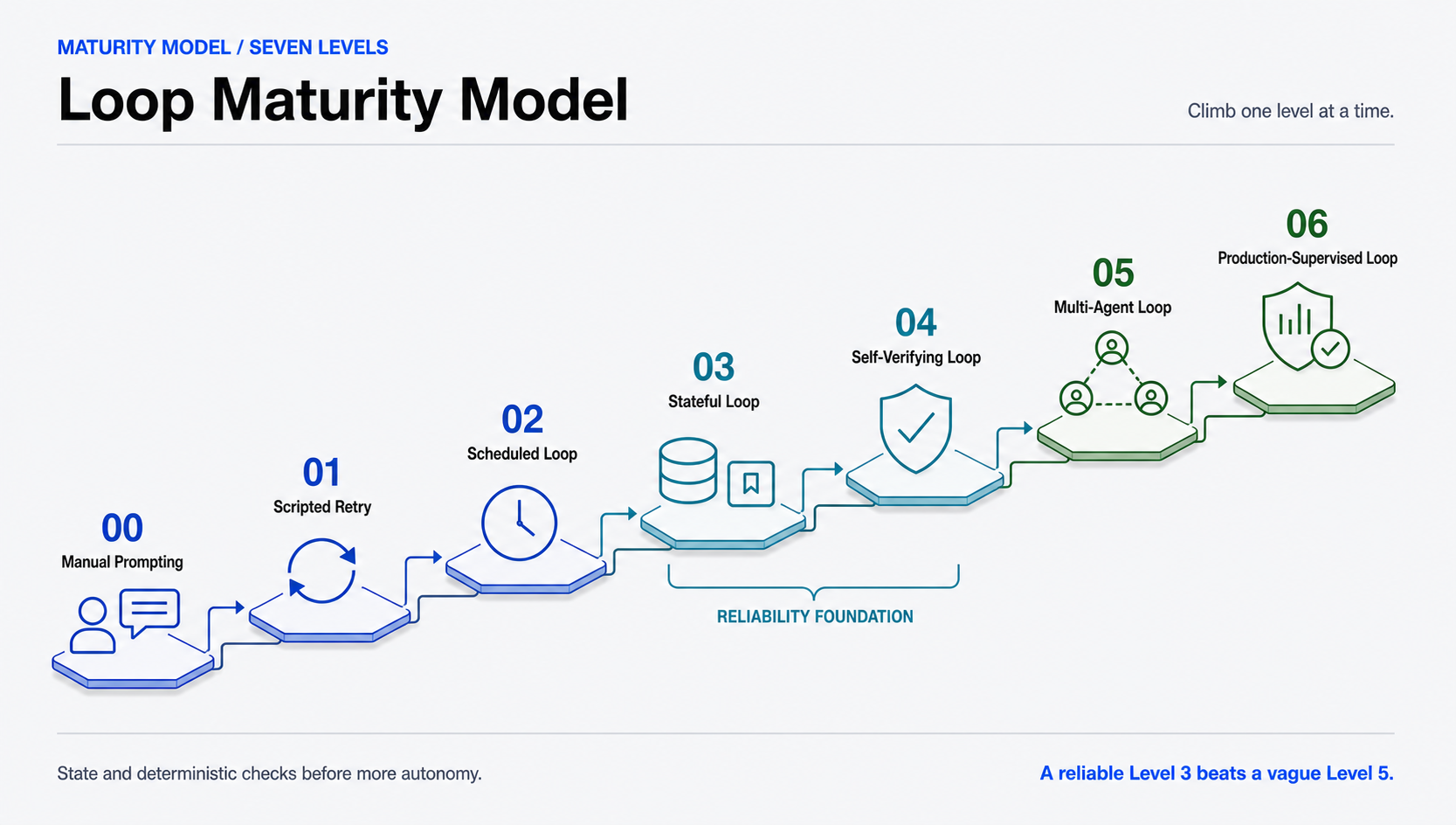
Promotion ladder: tăng quyền theo từng envelope Mental model
Một stage được mô tả bằng trigger scope, item population, tool permissions, mutation class, approval mode, budget và rollback. “Pilot 10%” chưa đủ nếu 10% đó có thể chạm toàn bộ production hoặc thực hiện irreversible action.
Promotion là state machine hai chiều; guardrail violation đưa loop về stage an toàn hơn.
stateDiagram-v2
  [*] --> Observe
  Observe --> Recommend: evidence stable
  Recommend --> ApprovalGated: proposals accepted
  ApprovalGated --> BoundedAction: low correction + recovery proven
  BoundedAction --> Expanded: SLO and risk review
  Expanded --> BoundedAction: guardrail breach
  BoundedAction --> ApprovalGated: incident / drift
  ApprovalGated --> Recommend: verifier uncertainty
  Recommend --> Observe: contract change
  Observe --> Retired: no owner / no value
  Expanded --> Retired: replacement / risk
Observe/shadow thu thập decision nhưng không write; recommend tạo artifact người kiểm; approval-gated chạy action sau explicit grant; bounded action tự làm trong allowlist nhỏ. Expanded autonomy chỉ hợp khi rollback, monitoring và owner đã được drill—not đơn giản vì thời gian pilot đã hết.
Stage transition cần hysteresis: promotion đòi nhiều evidence window; demotion xảy ra sau một hard safety violation hoặc sustained SLO breach. Nếu cùng threshold cho cả hai chiều, hệ thống dễ oscillate hoặc trì hoãn rollback.
Bốn kỹ thuật đưa loop vào production Operations
1. Đóng gói autonomy bằng permission envelope và risk class
P.1Permission envelope nên tách read, propose, mutate, publish, communicate và delegate. Mỗi capability có resource scope, credential, time window, rate limit và approval condition. Prompt “chỉ sửa file này” không phải enforcement.
Risk class kết hợp reversibility, blast radius, data sensitivity, external communication và detection latency. Một rename dễ rollback khác với gửi email khách hàng; query read-only khác với production migration dù model confidence giống nhau.
| Stage | Action quyền cao nhất | Human role | Exit gate |
|---|---|---|---|
| Observe | Read + simulate | Review traces | Không side effect |
| Recommend | Tạo proposal/diff | Accept/reject proposal | Artifact quality |
| Approval-gated | Mutate sau grant | Authorize từng risk class | Post-action verification |
| Bounded autonomy | Allowlisted reversible writes | Monitor + exception owner | SLO + guardrail |
| Expanded | Nhiều item/resource hơn | Govern lifecycle | Periodic re-certification |
OpenAI nhấn mạnh prompt-injection defense không thể chỉ dựa vào phát hiện input xấu; system phải giới hạn impact ngay cả khi manipulation thành công. Permission envelope, data/authority separation và approval cho irreversible action thực hiện nguyên tắc đó ở runtime.
Approval phải fresh và scoped: actor, operation, target, input version và expiry. Một approval prose chung hoặc token lâu dài dễ bị replay sau khi state đã đổi. Stale approval nên fail closed và tạo handoff mới.
Ưu điểm
- Blast radius được giới hạn bằng runtime controls.
- Có thể tăng từng capability độc lập.
- Approval trở thành artifact audit được.
Nhược điểm
- Permission model chi tiết cần maintenance.
- Over-scoping tạo blocker giả.
- Integration tools có semantics quyền khác nhau.
2. Dùng shadow và canary để đo behavioral delta có attribution
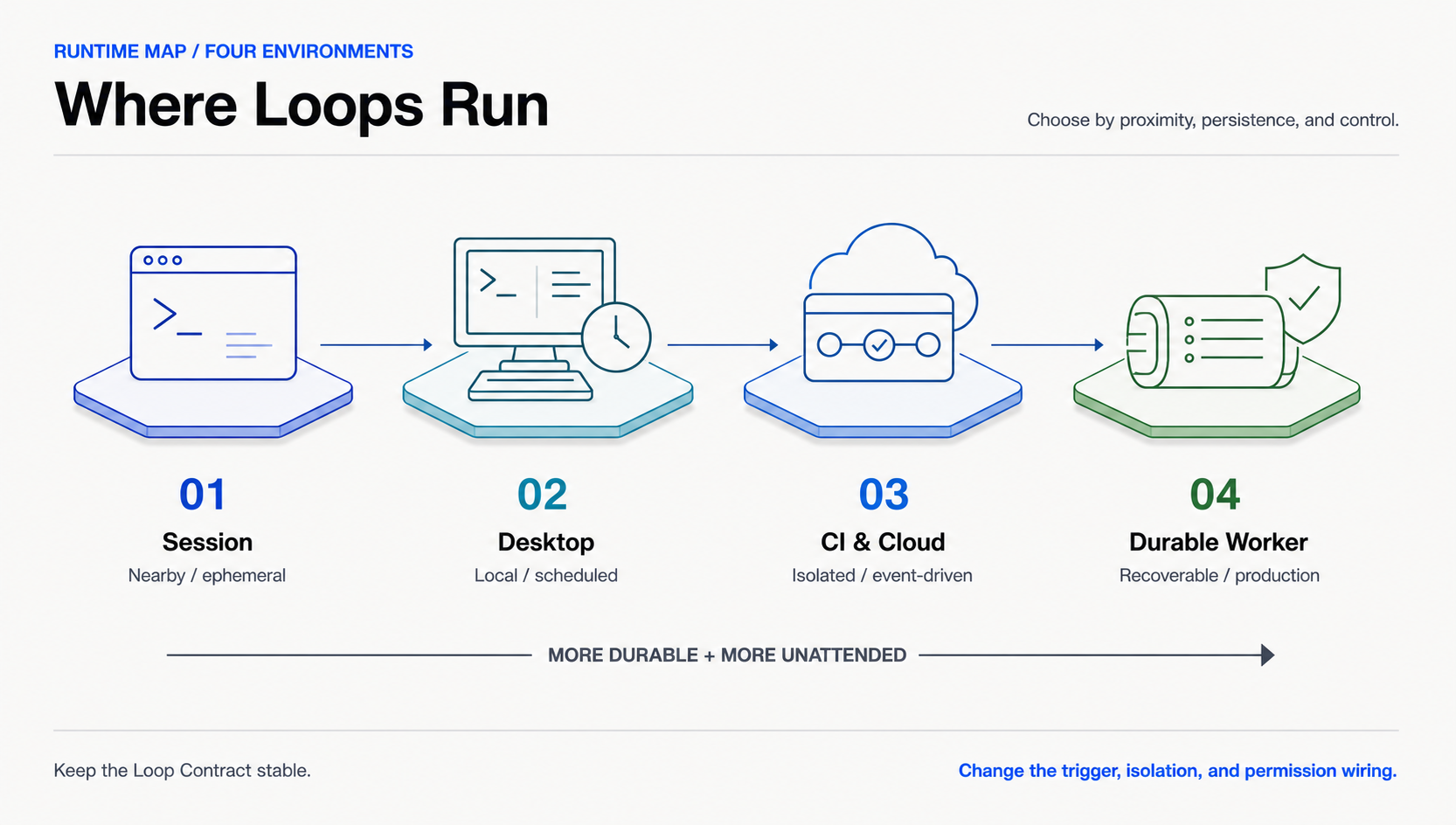
P.2Shadow mode replay production inputs nhưng chặn side effect. Nó đo selection và proposed action, không đo đầy đủ write semantics, approval latency hay downstream feedback. Do đó shadow là precondition của canary, không thay thế canary.
Canary population nên partition theo stable key để tránh cùng item vào control lẫn treatment. Chọn representative nhưng low-blast-radius cohort; giữ một canary change tại một thời điểm để metric có attribution.
Google SRE định nghĩa canary như partial, time-limited deployment và nhấn mạnh so canary/control cùng thời gian. Với loops, metrics phải gồm verified outcome, duplicate side effect, human correction, recovery, latency và cost—not chỉ error rate.
Canary gate cho loop
- Stable cohort và control đồng thời.
- Một model/contract/policy change có thể attribution.
- Min sample hoặc time window trước promotion.
- Hard safety guardrails không chờ significance.
- Rollback đã thử trên item đang active.
Error budget cần định nghĩa user harm và operational debt. Retry thành công sau 20 attempts có thể giữ final success rate nhưng đốt cost và tăng tail latency; vì vậy attempts, recovery time và reviewer correction cũng tiêu budget.
Ưu điểm
- Behavioral delta có control và attribution.
- Shadow giảm risk trước first write.
- Error budget nối reliability với promotion.
Nhược điểm
- Shadow không mô phỏng được mọi side effect.
- Rare harms khó đủ sample.
- Canary contamination làm kết luận sai.
3. Thiết kế kill, pause, revoke và rollback như các cơ chế khác nhau
P.3Pause ngăn nhận item mới nhưng cho active work đến safe checkpoint. Kill dừng worker và revoke lease. Revoke thu hồi tool credential/permission. Rollback đảo deployment hoặc artifact. Incident runbook phải gọi đúng cơ chế theo harm.
Kill path nên nằm ngoài agent control plane, có operator auth riêng và được kiểm định kỳ. Nó phải disable triggers, invalidate leases, revoke credentials và đánh dấu state để run sau không tự resume.
Rollback side effect không phải lúc nào khả thi. External communication, deletion hoặc money movement cần approval trước action và compensating procedure. “Có git revert” không giúp thu hồi email đã gửi.
Incident receipt cần affected work keys/resources, state versions, tool calls, operation IDs, evidence, decision history, active credentials và next safe action. Handoff “agent behaved oddly” buộc responder điều tra lại từ đầu.
| Control | Tác dụng | Không giải quyết |
|---|---|---|
| Pause intake | Không nhận item mới | Active mutation đang chạy |
| Kill worker | Dừng execution hiện tại | Credential/side effect đã commit |
| Revoke | Chặn action tiếp theo | Khôi phục state/resource |
| Rollback | Trả artifact/deployment về trước | Irreversible external effects |
| Reconcile | So intent với external truth | Tự quyết business compensation |
Recovery promotion chỉ sau khi root cause có regression fixture và control được replay. Restart với prompt mới nhưng không khóa duplicate window hoặc stale state dễ biến incident thành vòng thứ hai.
Ưu điểm
- Incident interruptible và blast radius nhỏ.
- Cơ chế riêng tránh kỳ vọng rollback giả.
- Receipts rút ngắn time-to-recovery.
Nhược điểm
- Out-of-band control plane cần vận hành riêng.
- Credential revocation có propagation delay.
- Compensation cho external effects có thể thủ công.
4. Quản trị drift, ownership và retirement suốt lifecycle
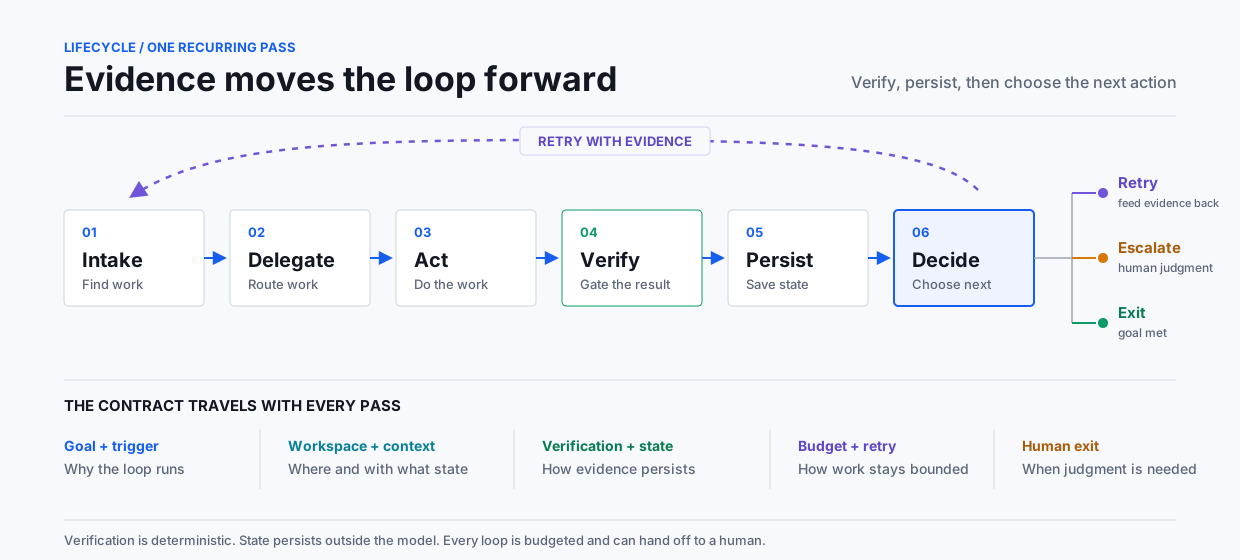
P.4Registry production nên ghi owner, contract version, model/runtime/tool versions, credentials, risk class, SLO, evaluation suite, last certification, deployment stage và retirement condition. Inventory là điều kiện để revoke và audit.
Material change cần phân loại. Prompt copy nhỏ có thể canary nhẹ; model major version, permission expansion, new data source hoặc verifier change phải quay về stage thấp hơn. Không dùng một “updated at” chung để che nhiều risk dimensions.
Anthropic quan sát users giàu kinh nghiệm vừa auto-approve nhiều hơn vừa interrupt nhiều hơn, và agents cũng tự pause ở situation khó. Điều này gợi ý oversight trưởng thành là selective intervention dựa trên signals, không phải loại bỏ human control.
Retirement xảy ra khi không còn owner, business value dưới operating cost, control không theo kịp risk, hoặc capability được thay. Retire phải disable trigger, drain/close items, revoke secrets, archive receipts theo retention và thông báo downstream owner.
Ưu điểm
- Drift trở thành change có review.
- Inventory hỗ trợ audit và emergency revoke.
- Retirement ngăn orphan automation.
Nhược điểm
- Registry/certification tạo operational overhead.
- Owner rotation dễ làm metadata stale.
- Re-eval mọi dependency change có thể chậm release.
Promotion và demotion matrix Scorecard
Promotion là AND-gate: outcome, consistency, recovery, safety, cost và ownership đều đạt mức tối thiểu. Điểm mạnh ở một hàng không bù được hard fail ở hàng khác.
| Dimension | Promote khi | Demote ngay khi |
|---|---|---|
| Outcome | Verified delta ổn định vs control | Hard acceptance regression |
| Recovery | Crash/retry drill không duplicate | Ambiguous or repeated side effect |
| Safety | Không policy violation; approval calibrated | Forbidden/irreversible action |
| Human load | Correction và escalation trong budget | Override spike / alert fatigue |
| Economics | Cost per accepted outcome trong envelope | Runaway retry/concurrency |
| Ownership | On-call + verifier owner active | No accountable owner |
Threshold phải định nghĩa trước rollout. Viết threshold sau khi thấy data dễ biến promotion review thành việc hợp thức hóa quyết định đã muốn.
Incident drill bắt buộc trước bounded autonomy Runbook
Drill nên mô phỏng prompt injection trong work item, worker chết giữa external write và checkpoint, verifier false-pass, credential revocation delay và backlog surge sau outage.
Success không chỉ là “dừng được agent”. Team phải chứng minh active leases biến mất, triggers bị chặn, state vẫn nhất quán, duplicate không xảy ra, affected resources được xác định và owner nhận evidence bundle đủ dùng.
- Permission envelope enforce ở runtime và approval có expiry.
- Canary có control, attribution, outcome lẫn guardrails.
- Pause, kill, revoke, rollback và reconcile đã được drill riêng.
- Registry có owner, versions, SLO, risk class và retirement path.
Kết luận: vận hành autonomy bằng evidence và khả năng đảo ngược Conclusion
Loop production tốt không phải loop ít cần người nhất; đó là loop dùng attention con người đúng chỗ, có quyền hạn vừa đủ và bị demote nhanh khi evidence xấu đi.
Progressive rollout biến autonomy từ leap of faith thành chuỗi capability decisions có thể đo, audit và rollback. Lifecycle governance giữ chuỗi đó đúng khi model, tools và mục tiêu thay đổi.